
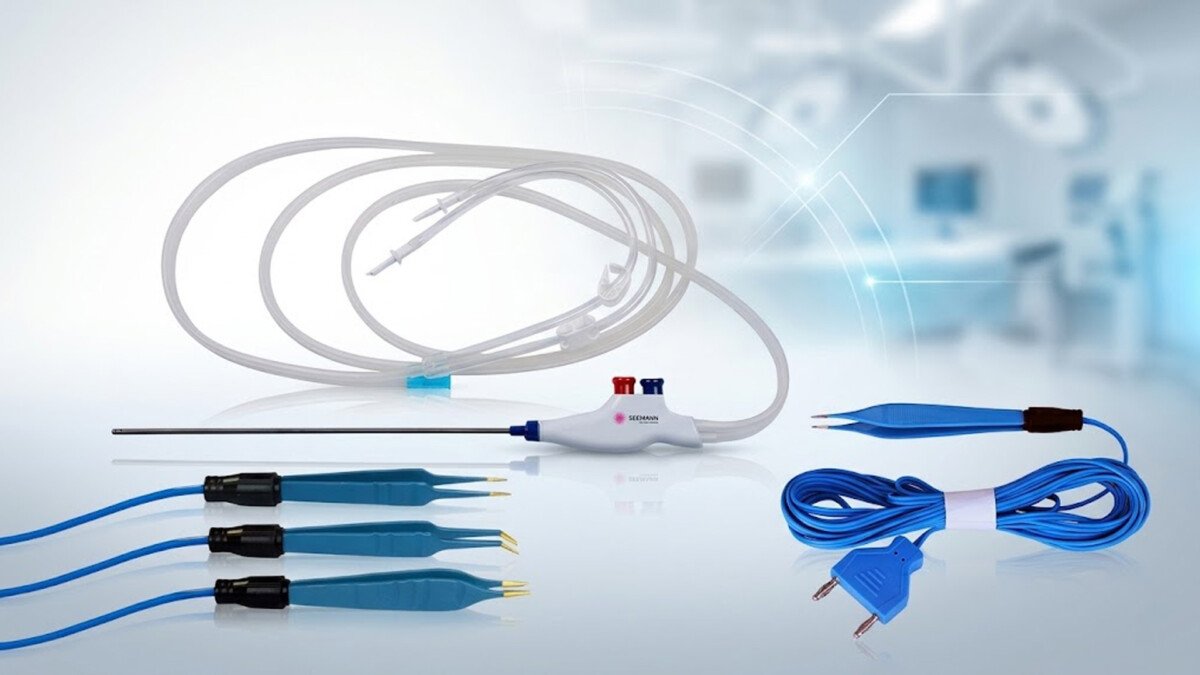
 A practical procurement guide to laparoscopic access, HF instruments and procedure-ready product selection
Single-use MIS instruments cover a broad range of products used in minimally invasive surgery, from electrosurgical instruments and laparoscopic electrodes to suction-irrigation and access products. For hospitals and medical distributors, successful sourcing depends on defining each instrument by its function, dimensions, connection requirements, sterile presentation and place within the wider procedure setup.
Single-use MIS instruments are sterile, one-time-use products designed for minimally invasive and laparoscopic procedures. Professional buyers should compare instrument function, working length, shaft diameter, working end, access requirements, HF compatibility, packaging and exact product reference before approving samples or placing an order.
What Are Single-Use MIS Instruments?
Minimally invasive surgery uses instruments introduced through small access points to perform tasks such as dissection, grasping, electrosurgical energy delivery, suction, irrigation and other procedure-specific functions.
Because these products are designed around different stages of a minimally invasive procedure, a buyer should not treat “MIS instrument” as one technical specification. A bipolar grasping instrument, monopolar electrode and suction-irrigation system may all belong to the same laparoscopic portfolio while requiring completely different purchasing information.
Seemann Technologies presents a dedicated range of single-use MIS instruments for minimally invasive surgery, including bipolar and monopolar instrument families, monopolar electrodes for laparoscopy and suction-irrigation products.
Core Product Categories in a Single-Use MIS Portfolio
| Product category | Key purchasing details | Related checks |
| Bipolar dissection and grasping instruments | Jaw design, shaft diameter, working length, connection | HF equipment and cable relationship |
| Monopolar MIS instruments | Working end, shaft, insulation, length | Compatible monopolar system |
| Laparoscopic electrodes | Electrode profile, shaft diameter, working length | Handpiece and equipment interface |
| Suction-irrigation instruments | Diameter, working length, valve arrangement, tubing | Access and fluid-system connections |
| Access and procedure-support products | Dimensions, intended product function and packaging | Compatibility with the selected MIS setup |
Bipolar Dissection and Grasping Instruments
Bipolar MIS instruments should be selected from their complete configuration rather than from the word “bipolar” alone. Professional buyers may need to compare jaw pattern, shaft diameter, working length, handle design and the electrical connection required by the intended HF system.
The purchasing record should preserve these characteristics so that a distributor can distinguish closely related models and a hospital can reorder the same approved configuration.
These instruments also need to remain distinct from open-surgery single-use bipolar forceps, even though both product groups operate within bipolar electrosurgery.
Monopolar Electrodes for Laparoscopy
Single-use monopolar electrodes used in laparoscopy require particular attention to shaft dimensions and access requirements. Working-end descriptions such as hook, needle or another profile identify only one part of the product.
A complete enquiry may need to state:
- electrode working-end shape;
- shaft diameter;
- working length;
- straight or angled configuration;
- insulation requirements;
- handpiece or cable interface;
- electrosurgical equipment manufacturer and model; and
- existing product reference when replacing another electrode.
Buyers can review Seemann Technologies’ single-use monopolar electrodes alongside its minimally invasive product range.
Suction-Irrigation Instruments
Suction-irrigation instruments should be treated as working laparoscopic instruments rather than generic disposable accessories.
Seemann Technologies currently presents a single-use suction/irrigation configuration within its MIS range. When buyers evaluate this category, useful purchasing information can include working length, diameter, control or valve arrangement, tubing connection, sterile presentation and exact catalogue reference.
These details are particularly important when a hospital already uses a defined access system or is evaluating a replacement for an established product.
Why Working Length and Shaft Diameter Matter
Minimally invasive instruments operate through defined access routes. Consequently, shaft dimensions can be as important as the working end itself.
Two instruments designed for the same broad procedure may differ significantly in:
- shaft diameter;
- working length;
- handle configuration;
- jaw or electrode geometry;
- insulation;
- electrical connection; and
- intended access arrangement.
Dimensions should come from current product information or an approved specification. They should not be estimated from product photographs.
Seemann procurement insight: A strong MIS enquiry starts with the instrument’s function and then defines working length, diameter, working end and relevant HF or access interfaces. This produces a much more reliable quotation than a request for a generic “laparoscopic instrument”.
Single-Use MIS Instruments and HF Surgery
Many minimally invasive procedures include electrosurgical products, which means MIS and HF procurement frequently overlap.
A distributor developing a laparoscopic range may therefore need to review:
- single-use HF instruments;
- bipolar MIS instruments;
- monopolar laparoscopic electrodes;
- bipolar forceps cables;
- suction-irrigation instruments; and
- other procedure-specific MIS products.
Related products can be sourced within the same commercial discussion, but every interface should still be confirmed individually.
Single-Use and Reusable MIS Instruments
Hospitals may maintain both reusable and single-use instruments. The appropriate format depends on the product, procedure, hospital processes and purchasing requirements.
Single-use products
Professional buyers typically review sterile presentation, individual product identification, shelf-life information, pack quantity and forecast consumption.
Reusable products
Reusable products require consideration of the manufacturer’s applicable instructions, reprocessing information, inspection requirements and replacement planning.
The two formats should therefore remain clearly separated within quotations and distributor catalogues.
Sample Evaluation Before Routine Purchasing
A sample should correspond with the product that will later be quoted and supplied.
Buyers can verify:
- product reference;
- instrument function;
- shaft dimensions;
- working-end configuration;
- handle or control arrangement;
- connection requirements;
- sterile packaging; and
- associated documentation.
If the commercial version will differ from the sample, the difference should be recorded before purchasing approval.
Procurement Considerations for Belgium, Spain and Ireland
Hospitals and distributors in Belgium, Spain and Ireland operate within the European medical-device framework, but national economic-operator and registration requirements can differ.
- Belgium: distributors and importers should review their applicable obligations with the Federal Agency for Medicines and Health Products (FAMHP).
- Spain: companies placing or making medical devices available in Spain should review current commercialisation and RECOPS requirements published by the Spanish Agency for Medicines and Medical Devices (AEMPS).
- Ireland: distributors and importers should confirm the registration requirements associated with their role through the Health Products Regulatory Authority (HPRA).
The exact obligations depend on the device and the organisation’s role in the supply chain. Buyers should therefore request the documentation applicable to the products under consideration and complete their own regulatory assessment.
How Distributors Can Build a Practical MIS Range
- Start with procedures and customer requirements already generating demand.
- Identify the most frequently requested shaft diameters and working lengths.
- Add core bipolar, monopolar, suction-irrigation and access products.
- Keep specialist configurations available against defined enquiries.
- Record the exact reference used for sample approval.
- Map HF instruments to the applicable cables and equipment where necessary.
- Forecast recurring consumption separately for each sterile product reference.
Information to Provide When Requesting a Quotation
- required instrument category;
- working length;
- shaft diameter;
- working-end or jaw configuration;
- monopolar or bipolar requirement;
- access-system information where relevant;
- HF equipment or cable details where applicable;
- sample quantity;
- commercial quantity;
- packaging requirements;
- destination country;
- required documentation; and
- existing reference where a current product is being replaced.
Frequently Asked Questions
What are single-use MIS instruments?
They are one-time-use surgical instruments developed for minimally invasive procedures, including products for bipolar and monopolar surgery, laparoscopic electrodes and suction-irrigation requirements.
Does Seemann Technologies manufacture single-use MIS instruments?
Seemann Technologies presents dedicated single-use MIS instrument families for minimally invasive surgery, including bipolar and monopolar instruments, laparoscopic electrodes and suction-irrigation products.
Are single-use MIS instruments used with HF surgery equipment?
Many MIS instruments are electrosurgical products, but the exact electrical modality, cable and equipment relationship should be confirmed for each reference.
What information is needed to select a laparoscopic electrode?
Buyers should provide the working-end type, shaft diameter, working length, insulation, interface and equipment information where applicable.
Why are shaft dimensions important?
Minimally invasive instruments are used through defined access systems, so shaft diameter and working length form part of the purchasing specification.
Can distributors request several MIS product categories together?
Yes. A structured enquiry may contain bipolar instruments, monopolar electrodes, suction-irrigation products and other MIS categories, with every item identified separately.
Request Single-Use MIS Product Information
Medical distributors, hospitals and healthcare procurement organisations can explore Seemann Technologies’ single-use MIS instruments and complete surgical product range. To discuss samples, product specifications, catalogue information or quotation requirements for Belgium, Spain or Ireland, contact Seemann Technologies with the required products, dimensions and quantities.